



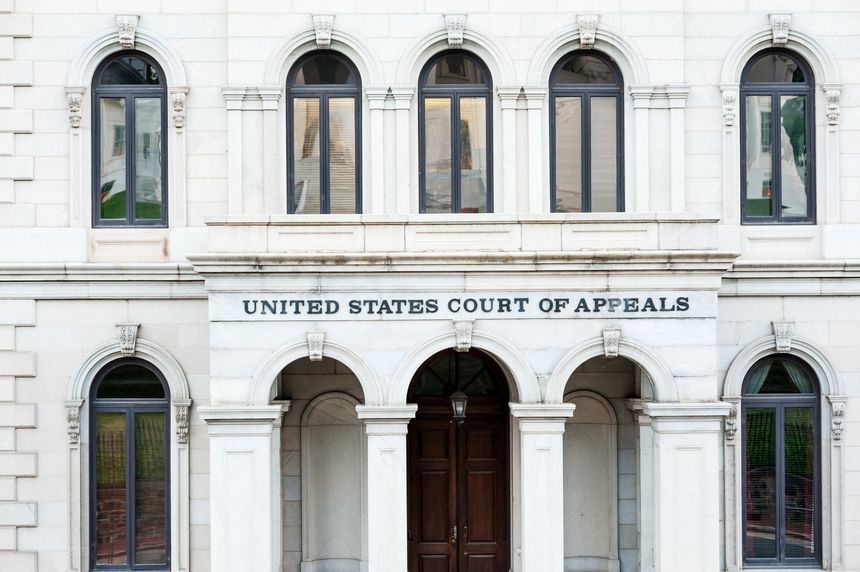

In Brown v. The Brita Products Co., No. 24-6678 (9th Cir. Apr. 16, 2026), the Ninth Circuit further clarified the role of the “reasonable consumer” standard in evaluating material omission theories under California consumer protection statutes. The decision reinforces that the standard is not merely a fact-bound inquiry reserved for later stages, but a substantive constraint that can, and should, be applied at the pleading stage.
Background
Plaintiff purchased a water filter for approximately $15. The product was advertised as reducing specified contaminants in tap water, which it undisputedly did. The packaging also included a QR code linking to Performance Data Sheets detailing the extent of contaminant reduction and the testing methodology used.
Despite these disclosures, the plaintiff alleged that marketing phrases on the packaging, such as “Cleaner, Great-Tasting Water,” “Healthier, Great-Tasting Water,” “The #1 FILTER,” and “Reduces 3X Contaminants,” led him to believe the filter would remove all common hazardous contaminants (including arsenic, chromium-6, PFOA/PFOS, nitrates, radium, trihalomethanes, and uranium) to below laboratory-detectable levels. Based on this theory, the plaintiff asserted claims under the UCL, FAL, and CLRA, along with common law claims for breach of warranty and unjust enrichment, on behalf of a nationwide class and California subclass.
The Reasonable Consumer Standard Applies Equally to Omission Claims
On appeal, the Ninth Circuit held that the plaintiff’s theory failed as a matter of law because no reasonable consumer would expect a low-cost water filter to eliminate all hazardous contaminants to below detectable levels, particularly in light of the manufacturer’s disclosures.
In doing so, the court rejected the plaintiff’s attempt to distinguish omission-based claims from affirmative misrepresentation claims. The panel made clear that omission liability still turns on materiality, and materiality is governed by the same reasonable consumer standard applicable to affirmative statements. There is no more lenient, plaintiff-friendly framework for omissions.
Applying that standard, the court concluded that “no reasonable consumer” would hold the expectation alleged, especially given the product’s price point and the “extensive disclosures to the contrary.”
“Superior Knowledge” Cannot Salvage an Unreasonable Theory
The Ninth Circuit also affirmed the denial of leave to amend. The plaintiff sought to cure the defect by alleging that the defendant possessed “superior knowledge” and “exclusive access to non-public data” regarding product performance.
The panel rejected that approach. It held that liability under California consumer protection statutes “rises and falls with the reasonableness of the alleged expectation.” Where the alleged consumer belief is objectively unreasonable, additional allegations about internal data or superior knowledge cannot render the claim plausible.
This aspect of the decision is particularly significant. Plaintiffs frequently attempt to salvage dismissed claims by adding allegations regarding internal testing, regulatory submissions, or other non-public information. Brown confirms that such allegations are immaterial where the underlying consumer expectation fails the reasonable consumer test.
Practical Takeaways
- Pleading-stage teeth: The reasonable consumer standard remains a viable basis for dismissal of omission claims at the pleadings stage.
- Disclosure architecture matters: Clear, accessible disclosures, including supplemental materials like QR-linked data, can decisively shape the reasonable consumer analysis.
- Limits on amendment: Where a claim fails because the alleged expectation is objectively unreasonable, courts are less likely to permit amendment.
Conclusion
Brown adds to a growing body of Ninth Circuit authority treating the reasonable consumer standard as a substantive gatekeeping doctrine, not a deferential, fact-bound inquiry. For defendants, it underscores the value of early motion practice and disciplined product labeling.
/Passle/673b7187983090b59d166389/SearchServiceImages/2026-10-16-15-27-02-348-6ad24246de6b66bfe10f7102.jpg)
/Passle/673b7187983090b59d166389/SearchServiceImages/2026-10-16-14-49-33-229-6ad2397db378b0c78cecdc34.jpg)
/Passle/673b7187983090b59d166389/SearchServiceImages/2026-09-15-13-34-37-479-6aa9496dc429248dfcfa54b6.jpg)
/Passle/673b7187983090b59d166389/SearchServiceImages/2026-09-04-17-45-45-749-6a9b03c99a3310b0baa541b7.jpg)